
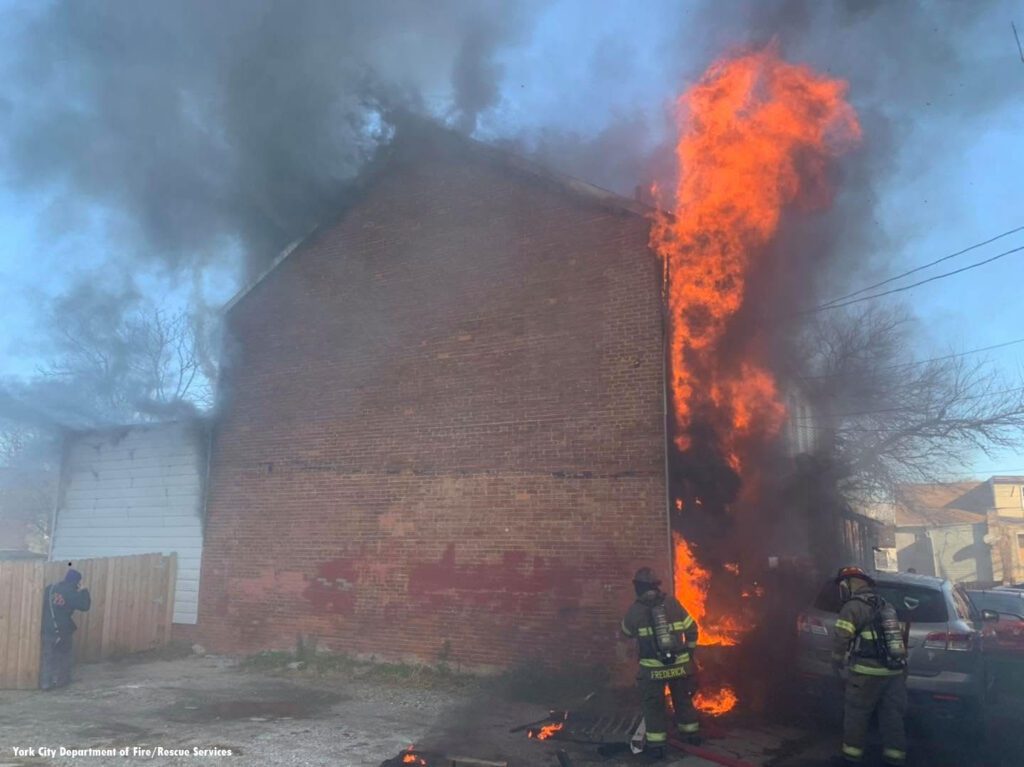
According to Baseball Almanac, there have been only 740 triple plays executed in major league baseball from 1876 until the present. Although most baseball players will never participate in a triple play, firefighters need to execute the fireground triple play at each incident to which we respond. The elements of the triple play on the fireground require the establishment of procedures, size-up, and performance.
Procedures
Fire departments should have standard operating procedures (SOPs) that are tailored to their resources and fire scenarios that are most common or likely given their local occupancies and historical experience. The pushback on SOPs often revolves around the common expression that “no two fires are alike.” Although there is some truth to that comment, an SOP should outline a vetted method(s) to achieve a goal on the fireground given a common set of circumstances in a typical type of occupancy/incident common to the department. It can specify the personnel assigned, cadre of equipment, and basic tactics to achieve an objective. It should leave room for modifications that may be necessary due to specific fireground conditions or availability of resources at the scene. Modification doesn’t usually require abandoning the entire procedure, so multiple members across several companies should be able to efficiently adjust to changing conditions. The adjustment preserves the objective and allows the incident action plan to continue without significant delay or an excess of intervention by the incident commander (IC). The necessary modification of a procedure is routinely based on factors identified during size-up.
Size-up
The second element of the triple play requires efficient and accurate size-up. Volumes have been written about fireground size-up and its importance to safety and operational effectiveness. Knowledge of the response district, the information available during dispatch and response, as well as processing the scene as thoroughly as practical upon arrival will enable each member to determine the procedures needed to accomplish initial fireground objectives. With well-developed procedures, size-up becomes more manageable, as each company and member has a defined objective(s). This gives firefighters a starting point to execute a plan. We factor the fireground variables into our standard procedures and make adjustments as necessary. The IC can expect that companies will work toward those objectives unless they communicate a problem, or the IC changes the plan.
Continual size-up and situational awareness by all members on the fireground will indicate if the procedures are working, different tactics must be employed, or another variable has caused the incident action plan to be unsuccessful. To fully execute size-up, company officers must relay their progress, or any significant change in conditions, to the IC. In turn, the IC, using his size-up perspective and reports from company officers, will coordinate the procedures and performance elements of the triple play.
Performance
The performance element of the triple play leverages procedures and size-up to achieve the objectives needed on the fireground. Performance is closely linked to procedures and likewise begins long before incident response. Fitness, knowledge, and training are performance variables that can be honed for maximum fireground efficiency long before incident operations.
The ability to perform effectively on the fireground begins with establishing workable operating procedures that consider the elements of historical, common, and likely scenarios for a given department. You will also need to consider the number of personnel and amount of equipment realistically available in a given response time.
Working with personnel to gain and maintain a reasonable level of health and fitness will help ensure that fireground objectives remain attainable and procedures can be implemented in a safe and timely fashion.
Knowledge may be gained through both training and experience. We can’t shortcut the institutional knowledge gained through years on the job or the lessons learned from a volume of fire duty. But we owe it to our firefighters to bring them as far as possible with a training program that is realistic, timely, and consistently reinforces safety and use of SOPs to attain objectives. A department that has well-thought-out SOPs on file may have a false sense of preparedness among the command staff if the companies who operate on the fireground don’t train using those procedures on a regular schedule. New firefighters join the department, members transfer, others are promoted. The cohesive units that operated flawlessly a few months ago may look much different today if the current members haven’t worked together to achieve the triple play. Because performance must be practiced at every level, a training program must include each element of accountability on the fireground. Firefighters must perfect their individual skills and build unit cohesion with their officer. Multiple units should train together on a regular basis to build the integration necessary to achieve our fireground objectives. In smaller organizations, mutual-aid companies should be worked into training, as these assets may be needed during incident operations. In larger departments, companies should swap battalions or divisions occasionally to help ensure standardized performance across the department.
Chief officers should play an integral part in multiunit training exercises. Realistic training using operating procedures will help the IC confirm what a fire company can accomplish while deployed on the fireground. The IC can then use the size-up element to their advantage when assessing conditions, time, and progress. An IC confident in the elements of the triple play can use companies to achieve peak performance on the fireground.
Although the triple play is seldom seen in baseball, firefighters need to execute the three elements of our triple play successfully at each incident to make best use of our resources. Achieving a high level of performance using solid procedures and while conducting continual incident size-up doesn’t happen by chance. Much of the hard work lies in the planning and vetting of procedures and equipment and training our firefighters for success. Our best fireground performances are not happy accidents, but are the result of preparation, size-up, practice, and execution.
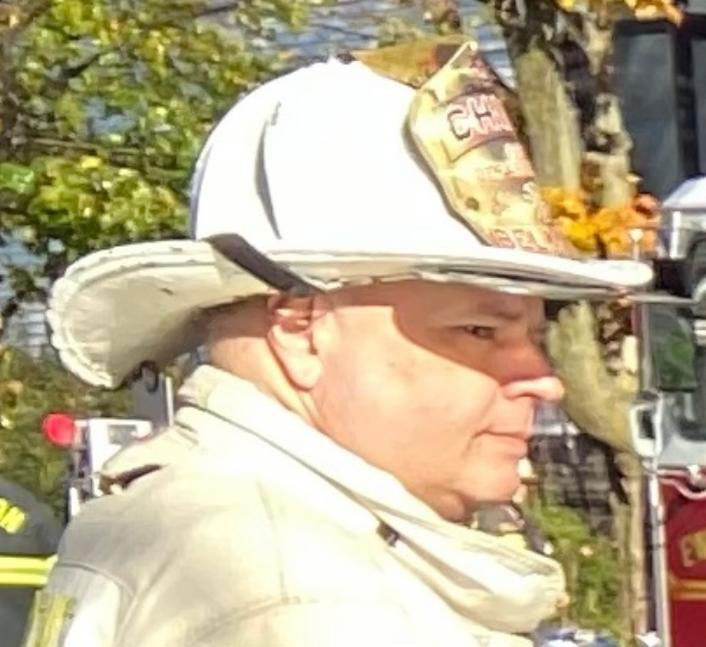
David DeStefano retired as chief of department from a Metro Boston fire department for over five years after serving 32 years in the North Providence (RI) Fire Department, where he retired as a battalion chief. He is an instructor at the Rhode Island Fire Academy and has presented at three past FDIC conferences. He lectures frequently on fireground command and training topics and may be reached at dmd2334@cox.net.


